Your Complete Guide to Indoor Plant Care in the Czech Republic
Practical advice from experienced growers on keeping houseplants healthy through every Czech season — from the dry winters with central heating to the bright, warm summers.

Why Indoor Plants Matter in Czech Homes
Czech apartments and houses often feature large windows and solid construction — ideal conditions for many houseplants. Yet the continental climate brings unique challenges: long dark winters with dry heated air, and summers where south-facing windowsills can reach scorching temperatures.
Understanding these local conditions is the key difference between plants that barely survive and those that genuinely flourish. This guide draws on years of hands-on growing experience in Prague, Brno, and smaller Czech towns, plus recommendations from the Royal Horticultural Society and the University of Minnesota Extension.
Explore Our Guides

Watering Guide
How often to water, signs of overwatering, seasonal adjustments for Czech climate, and the best water to use for sensitive species.

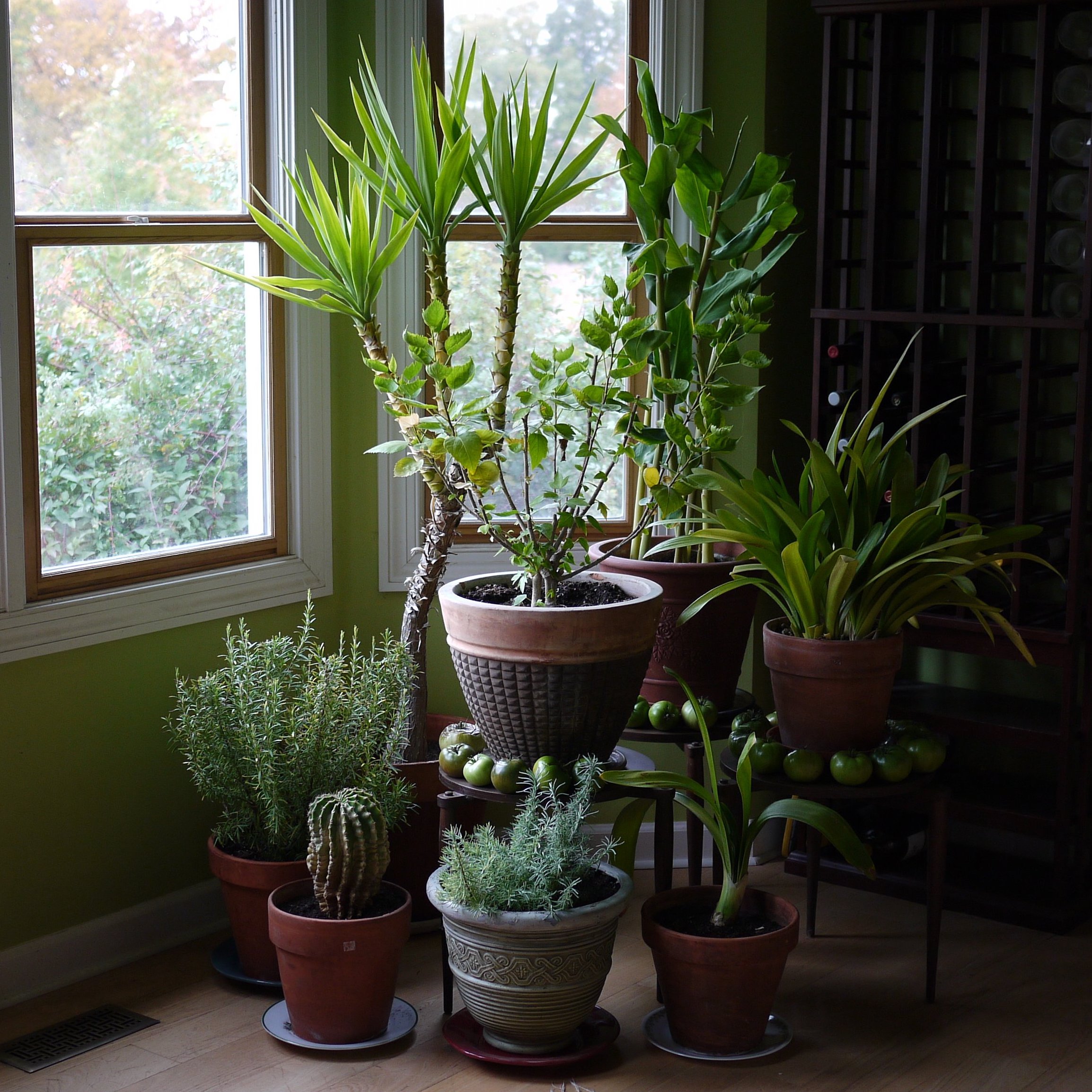
Light & Placement
Matching plants to Czech window orientations, dealing with short winter days, and when to invest in grow lights.
Repotting
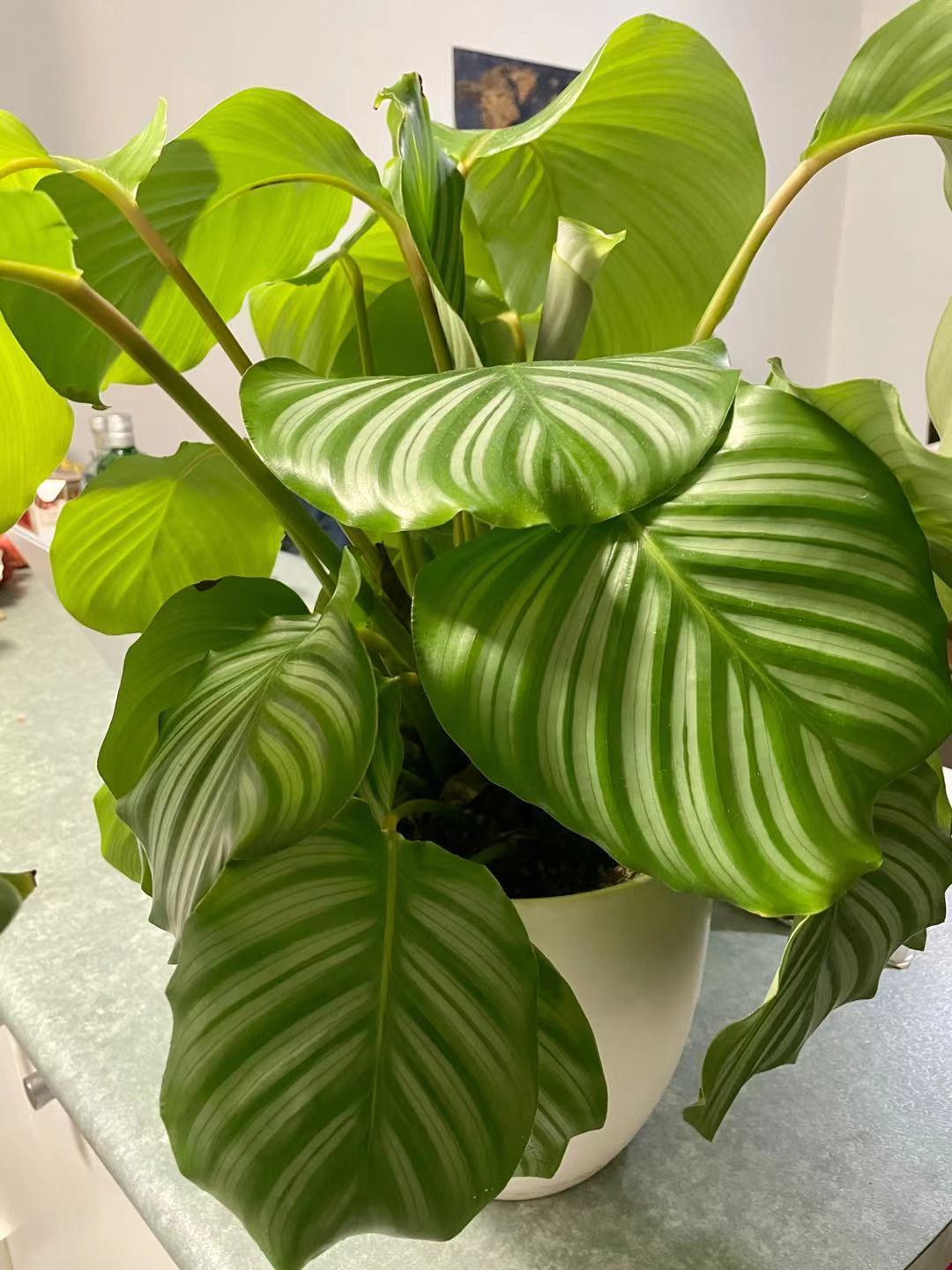
When and how to repot, choosing the right soil mix, pot sizes, and where to find quality supplies in Czech garden centres.
Pest Control
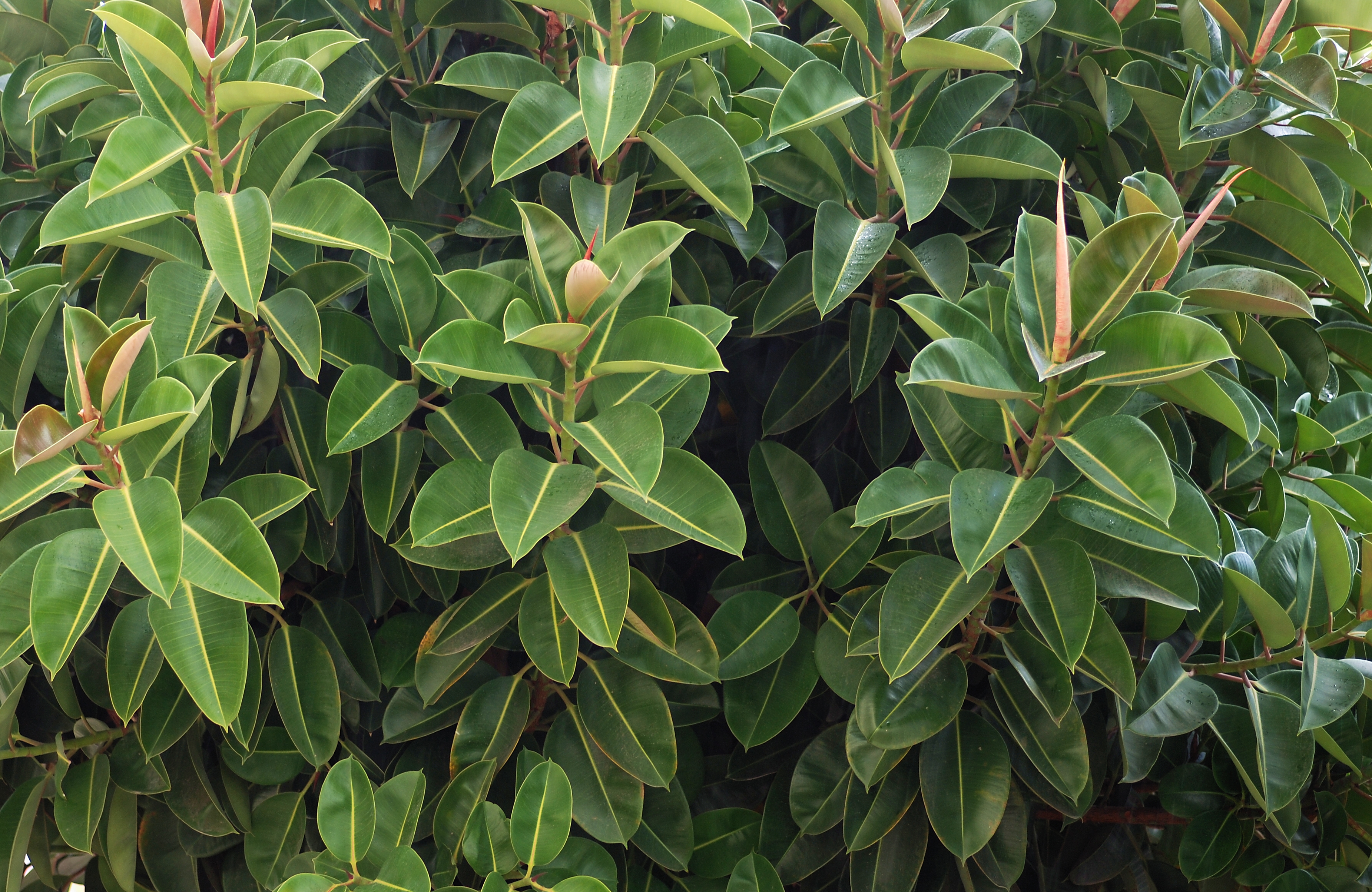
Identifying common Czech houseplant pests, organic treatments available locally, and prevention strategies that actually work.
Quick Seasonal Tips for Czech Growers
Spring (March–May)
The growing season begins. Increase watering gradually, start fertilising with a balanced feed every two weeks, and repot root-bound plants before they enter vigorous growth. Czech spring light levels rise quickly — move shade-lovers away from south windows.
Summer (June–August)
Peak growth phase. Water more frequently — many plants need it every 2–3 days in hot Czech summers. Watch for sunburn on west-facing windowsills during afternoon heat. Misting tropical plants helps in drier weeks.
Autumn (September–November)
Reduce watering as growth slows. Stop fertilising by late October. Move cold-sensitive plants away from draughty windows. This is the last chance to take cuttings before dormancy sets in.
Winter (December–February)
The hardest season for Czech houseplants. Central heating drops humidity to 20–30%. Use pebble trays, group plants together, and keep them away from radiators. Water sparingly — overwatering in winter is the number one killer.

Monstera Deliciosa: The Swiss Cheese Plant
This tropical beauty has become a staple in Czech living rooms for good reason. It tolerates the lower winter light better than many tropicals, grows impressively large in just a few seasons, and its distinctive fenestrated leaves add real character to any interior.
For best results in Czech conditions, place your Monstera near an east-facing window where it gets bright morning light without the harsh afternoon sun. Water when the top 5 cm of soil feels dry, and wipe the large leaves with a damp cloth monthly to keep them dust-free and photosynthesising efficiently.
Learn About Light Requirements